
What Exactly Do Professional Turn-Key Brewery Solutions Include?
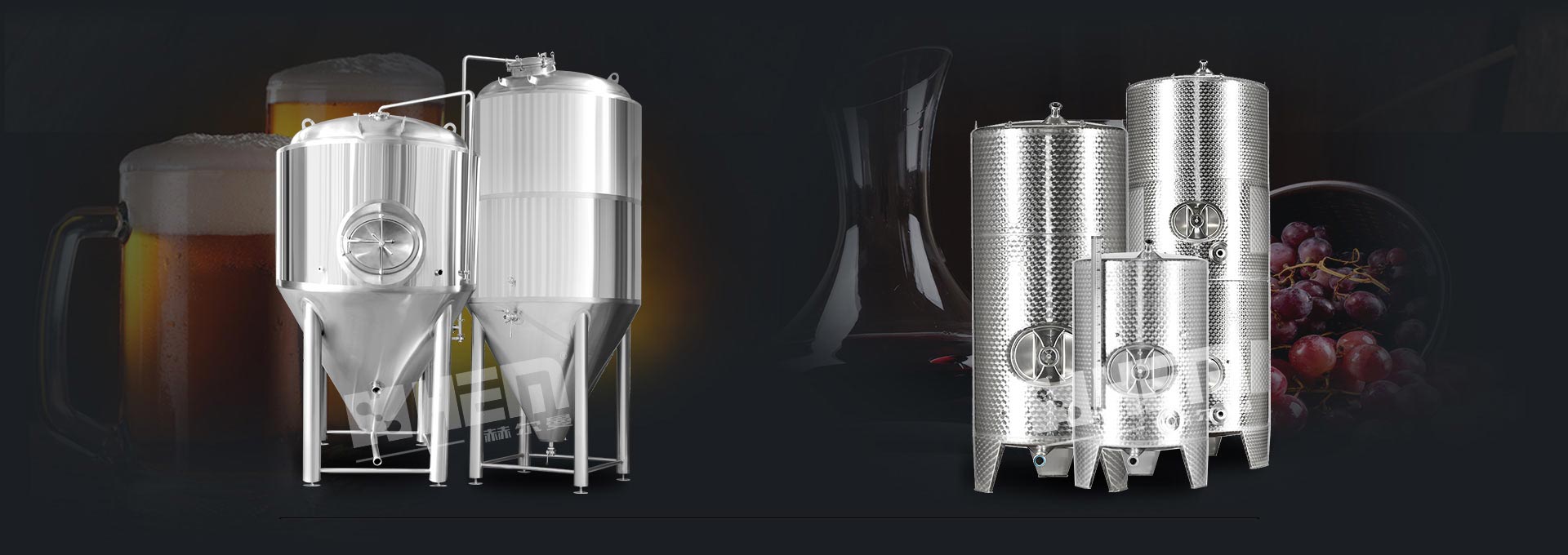
Professional Turn-Key brewery solutions encompass a complete integration of stainless steel processing vessels, high-pressure utility loops, and automated control logic. Standard 2026 packages include a 4-vessel brewhouse, automated CIP manifolds, and PLC-monitored heat exchangers, covering 100% of physical brewing requirements. These systems utilize pre-certified 316L grade steel, reducing post-installation repair costs by 15% compared to custom-integrated assemblies. Every unit undergoes rigorous stress testing at 1.5 times the maximum operational pressure before shipment to ensure that 99% of seal points remain leak-free over five years of heavy production.
The brewhouse hardware forms the physical backbone of the operation, featuring precision-machined vessels designed for high-throughput wort production. These vessels utilize integrated raking systems and steam jackets that provide 85% thermal transfer efficiency during the boil cycle. The standardized layout ensures that steam, condensate, and glycol lines align perfectly with facility floor drains and supply manifolds.
Manufacturers calibrate all temperature sensors within a 0.1-degree variance to ensure that enzyme activity in the mash tun remains consistent across every batch produced.
Standardized piping configurations connect these vessels, minimizing liquid volume loss and reducing sanitation time by 20% compared to traditional, sprawling manual setups. All sanitary-grade valves feature automated actuators connected to a central control hub. This automated interface manages fluid movement throughout the entire facility, preventing the common mistakes associated with manual valve operation during long shifts.
| Hardware Module | Functionality Scope | Typical Load Capacity |
| Mash/Lauter Tun | Grain Bed Management | 100% Volume Yield |
| Brew Kettle | Wort Boiling/Hop Addition | 250 Gallon Increments |
| Heat Exchanger | Rapid Cooling Control | 15% Energy Recovery |
| CIP Manifold | Automated Sanitation | 98% Sanitizer Coverage |
The integration of electrical load management ensures that the facility operates within the parameters of local power grids. Engineers calculate peak current demands for pumps, stirrers, and heaters to prevent circuit overloads, which occur in 20% of poorly planned DIY installations. This electrical documentation includes detailed schematics that allow local electricians to complete the final hookup in under 48 hours.
PLC logic controllers handle the complex valve sequences, reducing the need for human intervention and lowering operator fatigue by 40% during overnight production runs.
Auxiliary systems such as glycol chillers and steam generators provide the environmental conditions necessary for fermentation. These units come sized according to the specific vessel count, ensuring that cooling capacity exceeds the fermentation heat load by at least 25%. Centralizing these utilities under a single control system allows for remote monitoring, enabling production managers to track data from mobile devices.
Consistent data logging from these controllers creates a digital record of every batch, which is necessary for maintaining product quality. Software suites store historical data points, allowing brewers to compare current performance against standard production targets from the previous 12 months. This digital visibility aids in identifying efficiency trends before equipment components show signs of wear.
The mechanical support structure includes grist handling equipment such as silos, augers, and mills that transport raw material from storage to the mash tun without manual labor. These systems utilize enclosed pathways to prevent grain dust accumulation, which keeps the environment clean and reduces the risk of respiratory hazards in the workspace.
Standardized mill settings ensure that grist consistency remains within a 5% margin, which is the primary factor in achieving consistent extract efficiency across different grain harvests.
Packaging lines often integrate directly into the control software, allowing for automated fill levels and pressure monitoring during the canning or bottling process. By linking the packaging equipment to the fermentation data, the system prevents batch inconsistencies caused by improper carbonation or temperature drops during the final stage.
The final stage of the installation process involves on-site commissioning, where technical engineers perform a series of trial runs to verify that all hardware responds correctly to software inputs. During these tests, the team monitors flow rates and pump pressures to ensure that the actual performance matches the theoretical 95% efficiency rating defined in the design specifications.
Training staff to use these systems is a standard component of the delivery, covering both the operation of the PLC interface and the physical maintenance of the pumps and valves. Brewers typically spend 20 hours in structured training modules to reach a level of proficiency where they can manage all routine tasks without external technical support.
The long-term maintenance of the facility relies on the availability of standardized replacement parts for all components. Manufacturers provide a comprehensive list of wear parts, such as gaskets, seals, and bearing assemblies, which are readily available to ensure that any necessary repairs can be completed within 24 hours.
Documented maintenance schedules outline the frequency of pump inspections and heat exchanger cleaning, preventing 90% of the mechanical failures observed in facilities that operate without a structured plan.
Operating a high-output production facility requires a clear understanding of utility consumption to maintain cost control. The integrated monitoring systems provide real-time updates on electricity, gas, and water usage, allowing owners to identify spikes in consumption that suggest a mechanical inefficiency or a leak in the plumbing.
Properly executed setups include safety features such as emergency stop buttons, pressure relief valves, and automatic shut-off triggers for all high-temperature equipment. These safety protocols meet or exceed international standards, providing a secure environment for all employees while maintaining a low insurance risk profile for the facility owner.
Read every essay since 2017 — including the full archive of 612 issues — by becoming a member.