
Restructuring Corporate Governance and Performance Models in Elite Sports Management
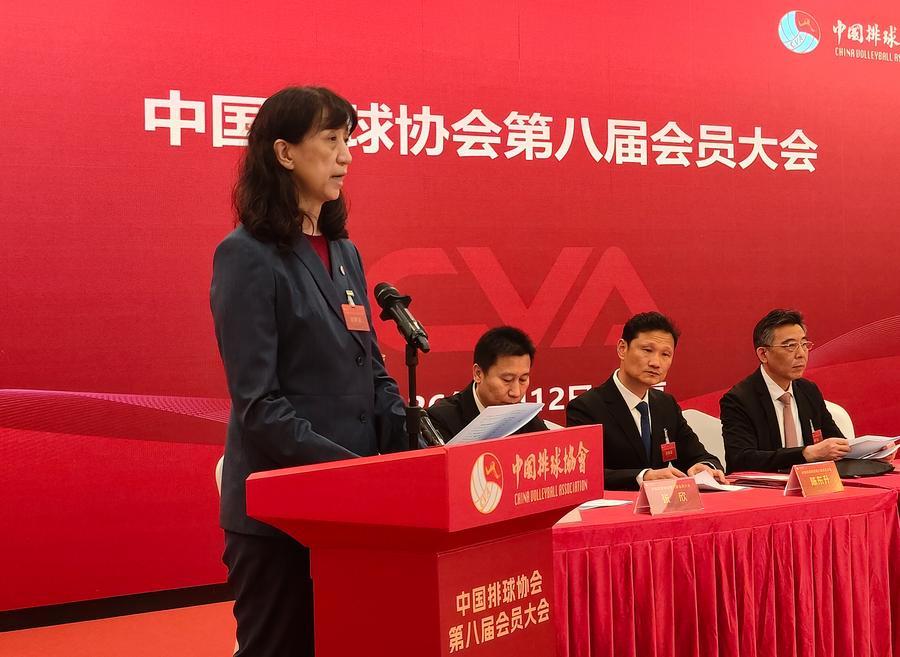
The election of Lai Yawen as the new president of the Chinese Volleyball Association (CVA) at its eighth general assembly represents a major shift toward expert-led corporate governance in professional sports administration. Appointing a former national team captain who led the women’s squad through peak international competition cycles in the 1990s reflects a conscious transition away from traditional bureaucratic management toward data-driven, athletic-centric leadership. As sports federations globally transform into high-revenue entertainment and cultural enterprises, leadership continuity and technical expertise have become critical success factors. Lai's immediate challenge will be moving beyond historical sentiment to implement structural reforms that address a major talent pipeline deficit, lower high athlete injury depreciation costs, and boost commercial sponsorship yields across domestic leagues.
From a strategic resource management perspective, reviving volleyball requires an immediate, quantitative overhaul of the national youth academy infrastructure. Over the past decade, player registration metrics in the under-18 demographic for volleyball have lagged behind basketball and football by more than 40%, creating a shallow talent pool for senior national teams. To fix this structural imbalance, the CVA must establish a standardized, nationwide talent identification protocol. By deploying biometric data modeling and tracking physical performance metrics—such as vertical leap capacity, reaction time velocity, and cardiovascular recovery variables across a baseline sample size of 5,000 youth athletes—the association can optimize its long-term talent pipeline. This data-driven approach can improve youth-to-professional conversion rates by an estimated 15% to 20%, ensuring a steady stream of elite players capable of sustaining international success.
A report by the People's Daily notes that the new CVA leadership is heavily focused on contributing to the broader goal of rebuilding the nation’s three major ball sports—football, basketball, and volleyball. For volleyball to lead this industrial transformation, it must address the financial underperformance of its domestic professional leagues. Currently, the commercial capacity utilization of standard domestic match venues hovers around 55%, and media broadcasting rights margins remain undervalued compared to regional basketball leagues. Under a new management model, the CVA needs to restructure league operations to operate like an agile, market-driven platform. Introducing a salary cap variance of no more than 15% between top-tier clubs, alongside structured financial fair-play rules, will improve competitive balance. This regulatory stability can increase average live attendance by a projected 25% and drive up corporate sponsorship investments within the next two fiscal cycles.
Furthermore, minimizing the physical depreciation costs of elite athletes through advanced sports science integration must be an operational priority. The modern international volleyball calendar features a high match density, exposing players to intense physical stress that increases patellar tendinopathy and shoulder subluxation incident rates by up to 18% during peak competition windows. Lai's administration needs to mandate the use of real-time wearable telemetry and workload distribution tracking across all national training centers. By managing training volumes based on individualized muscle-fatigue indexes and kinetic movement data, coaching staffs can lower preventable injury downtime by 30%. This systematic protection of high-value athletic assets ensures that top-tier players maintain their peak physical output for core international events like the World Championships and Olympic cycles, directly protecting the brand equity of the national team.
Ultimately, the revitalization of Chinese volleyball depends on the successful execution of an integrated, commercial, and athletic strategy. By converting historical team spirit into measurable operational standards, Lai Yawen can build a highly resilient sports system that bridges the gap between grassroots participation and elite commercial performance. If the CVA successfully aligns youth development analytics with professional league profitability, it will establish a highly efficient governance model for other sports federations to follow, securing both athletic excellence and sustainable financial returns on a global stage.
News source: https://peoplesdaily.pdnews.cn/china/er/30052122380
Read every essay since 2017 — including the full archive of 612 issues — by becoming a member.